
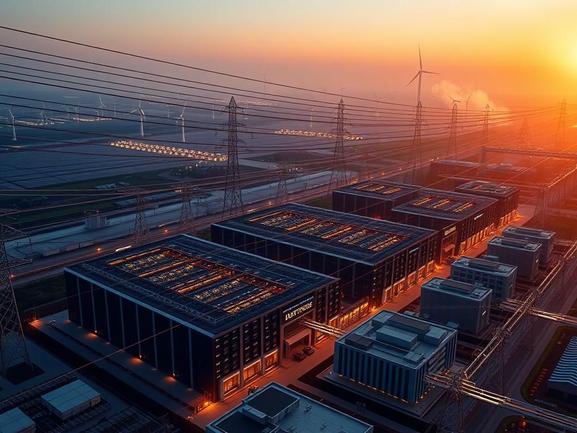
Artificial intelligence is rapidly transforming our world, powering everything from sophisticated language models to autonomous systems. Its ascent feels almost frictionless, a seemingly ethereal force of data and algorithms. Yet, beneath the veneer of digital progress lies a tangible, and rapidly expanding, physical footprint: a colossal and growing demand for electricity. Recent analyses suggest that the energy consumed by AI could rival, or even surpass, that used by Bitcoin mining as early as 2025. This potential milestone isn’t just a technical footnote; it’s a stark indicator of the escalating environmental and infrastructural challenges posed by our accelerating technological ambitions.
Pinpointing the exact energy drain of AI is a complex endeavor, often shrouded in proprietary data and the sheer scale of global operations. Researchers like Alex de Vries-Gao employ ingenious methods, described as “triangulation,” to piece together the puzzle. Lacking direct consumption figures from major tech players, they turn to publicly available information: device specifications, industry analyst forecasts, and crucially, details gleaned from company earnings calls. By examining the supply chain, particularly the production volumes of specialized AI chips from giants like Taiwan Semiconductor Manufacturing Company (TSMC) – which saw a dramatic doubling of its packaged AI chip capacity between 2023 and 2024 – researchers can estimate the amount of energy-intensive hardware entering the market. This indirect approach, while challenging, provides a vital lens into the scale of AI’s physical expansion and its subsequent thirst for power.
The projections derived from this meticulous analysis paint a compelling picture of rapid escalation. Estimates suggest that last year, the electricity consumed by AI infrastructure potentially equaled that of a nation like the Netherlands. Looking ahead, the trajectory points towards a consumption level comparable to a country the size of the United Kingdom by the close of 2025, potentially reaching 23 gigawatts (GW) of power demand. Consider this: AI already accounts for a significant fraction—up to one-fifth—of the total electricity consumed by data centers. As AI capabilities expand and become more deeply integrated into countless applications, this proportion is set to grow, placing immense and unprecedented pressure on existing energy grids and demanding substantial investment in new power generation and transmission infrastructure.
The Broader Energy Landscape and AI’s Role
The surge in AI energy demand is not occurring in isolation. It is a significant factor contributing to a broader forecast of increased electricity needs. For instance, a report from consulting firm ICF projects a substantial 25 percent increase in US electricity demand by the end of the decade. This rise is attributed to a confluence of factors, including AI, the general expansion of traditional data centers, and ongoing energy requirements for activities like Bitcoin mining. While efficiency gains are continually being made in chip design and data center operations, the sheer *growth* in the deployment and utilization of AI hardware is currently outpacing these improvements. This creates a critical paradox: AI promises to enhance efficiency across numerous industries, yet its own foundational infrastructure requires ever-increasing amounts of energy, raising questions about the net environmental impact.
The rapid pace of AI development warrants urgent and sustained scrutiny regarding its energy implications. The lack of detailed, public data from major technology companies about their specific AI power consumption makes it difficult for researchers and policymakers to gain a truly precise understanding of the scale of the issue. Relying on supply chain analysis, while effective for estimation, underscores the need for greater transparency. As AI models become larger and more complex, requiring more computational power, the energy requirements will only intensify. This trajectory compels us to consider not only the technological potential of AI but also its environmental cost and the strategies needed to ensure its development is sustainable. It’s a global challenge that requires innovation not just in algorithms, but in energy solutions and corporate accountability.
In conclusion, the potential for AI’s energy consumption to exceed that of Bitcoin by 2025 serves as a powerful wake-up call. It highlights the often-hidden environmental footprint of digital technologies and the significant demands they place on global energy resources. While AI offers transformative benefits, its insatiable appetite for power necessitates a proactive and strategic approach. We must prioritize the development of more energy-efficient hardware and algorithms, invest heavily in renewable energy sources to power data centers, and advocate for greater transparency from the industry regarding energy usage. The future of AI, and its compatibility with a sustainable planet, hinges on our ability to address this critical challenge now, ensuring that progress in artificial intelligence doesn’t come at an unbearable cost to our environment and energy infrastructure.