
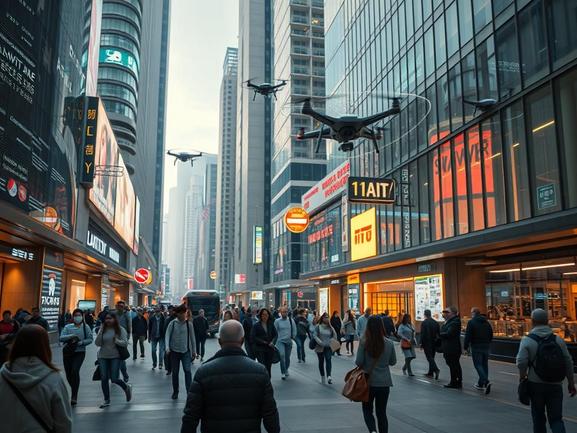
We find ourselves navigating an era defined by relentless technological acceleration, a period where the boundary between speculative fiction and tangible reality seems to dissolve with each passing headline. From the inauguration of physical spaces designed for brand engagement in bustling urban centers, to profound revelations emanating from cutting-edge artificial intelligence research labs, the consistent drumbeat of annual technology conferences unveiling strategic visions, and the imaginative construction of expansive new entertainment frontiers, seemingly disparate events converge to tell a singular, compelling story. This is the narrative of a world rapidly becoming more interconnected, more intelligent, and more profoundly integrated, where the digital tools that augment our lives and the physical environments we inhabit are being reshaped simultaneously. This piece seeks to explore these converging trends, dissecting how recent developments indicate AI’s transition into a pragmatic collaborator, how the strategic maneuvers of global tech powerhouses are forging new digital ecosystems, and how even our fundamental experiences of leisure and interaction are undergoing a dramatic, technologically-driven metamorphosis. We are not just observing change; we are living through a fundamental paradigm shift.
Central to this evolving landscape is the demonstrable leap in artificial intelligence from theoretical potential to practical application. While the long-term implications for fields such as robotics remain vast and transformative – envisioning a future where intelligent machines possess unprecedented autonomy and dexterity, capable of navigating and manipulating complex physical environments for tasks ranging from intricate manufacturing to sophisticated personal care – the more immediate impact of AI is being felt in the personal sphere. The concept of leveraging models like Google’s Gemini to assist with activities as varied as refining athletic technique (“shooting hoops”) or making subjective choices (“picking clothes”) serves as a potent, albeit metaphorical, illustration of AI’s growing versatility as a personal co-pilot. These examples, seemingly trivial, underscore the potential for AI to offer personalized insights, recommendations, and even coaching across an incredibly broad spectrum of human endeavors, moving beyond purely informational tasks. Furthermore, the introduction of novel interaction methods, epitomized by tools like ‘Google Beam’, highlights the industry’s focus on making these powerful AI capabilities intuitively accessible. Beam represents a step towards interacting with AI in a manner that feels less like operating a computer and more like communicating with an intelligent entity, reducing friction and enabling more spontaneous and diverse applications in our daily routines. This democratization of AI interaction marks a significant step in its integration into the fabric of everyday life.
Architects of Tomorrow: Keynotes and Ecosystems
The strategic direction and competitive drive of the world’s leading technology corporations act as powerful engines for this pervasive integration. Events like the annual showcases at Google I/O and Microsoft Build are far more than simple product announcements; they are carefully orchestrated declarations of intent, revealing the architectural blueprints for the future digital world. These keynotes emphatically underscore an AI-first strategy, demonstrating how artificial intelligence is being woven into the very foundation of their software, services, and hardware. The drive is towards creating deeply interconnected and intelligent ecosystems, where devices and platforms communicate seamlessly, anticipating user needs and offering enhanced capabilities powered by shared intelligence. This creates powerful network effects and reinforces user engagement within a specific brand’s universe. Discussions surrounding potential advancements, such as anticipated features in a WatchOS 12 wishlist, or critical evaluations of new hardware capabilities, like those detailed in a review of the Galaxy S25 Edge, fit neatly into this overarching narrative. These devices are not just standalone gadgets; they are sophisticated endpoints within these expanding intelligent networks.
- AI Integration as a Core Principle: Both companies demonstrate that AI is no longer an add-on, but a fundamental layer enabling new functionalities.
- Cross-Platform Harmony: A clear focus on improving the fluidity and consistency of user experience across desktops, mobile devices, wearables, and cloud services.
- Hardware as the Interface: Next-generation devices are designed to be smarter and more capable, serving as the primary points of interaction with these advanced AI ecosystems.
These conferences illuminate a future where our digital tools are not just helpful, but intelligently connected, working in concert to enhance productivity, communication, and access to information, driven by the competitive push of industry leaders. For more insights into building integrated ecosystems, the strategies discussed at these events are paramount.
Perhaps one of the most visually compelling examples of the dissolving boundaries between the digital and physical spheres is found in the realm of entertainment and leisure. The development of ambitious projects like Epic Universe signifies a significant cultural and technological shift. Here, the distinct lines that traditionally separated theme parks, video games, and cinematic experiences are intentionally blurred, creating sprawling, integrated worlds designed for profound immersion. This isn’t merely about bringing beloved characters into a physical space; it’s about leveraging cutting-edge technology – from advanced robotics and elaborate projection mapping to sophisticated interactive elements and potentially even AI-driven personalized narratives or adaptive environments – to build multi-sensory experiences that respond to and engage visitors on an unprecedented level.
“The future of entertainment transcends passive consumption, demanding interactive, multi-layered worlds that resonate across diverse platforms and physical locations.”
This movement towards creating unified ‘storyworlds’ that exist simultaneously across different media formats and geographical locations reflects a growing consumer expectation for richer, more engaging forms of leisure. Technology is the key enabler, transforming passive audiences into active participants within these expansive, blended realities.
Synthesizing these observations – the tangible emergence of practical AI, the strategic blueprints of leading tech firms emphasizing integration, and the innovative blending of digital and physical entertainment – paints a vivid picture of the trajectory of our technological future. We are rapidly progressing towards a reality where intelligent systems are integral to our daily lives, assisting in everything from complex professional tasks to seemingly trivial personal choices. The industry is clearly consolidating around highly integrated, AI-centric ecosystems. And our leisure time is becoming increasingly characterized by immersive, multi-platform experiences that defy traditional categorization. While the potential benefits are immense – unlocking new levels of productivity, enabling highly personalized services, and creating unprecedented forms of engagement and entertainment – this rapid technological evolution also brings significant challenges and ethical considerations to the forefront. Issues related to data privacy, algorithmic bias, job market disruption, and ensuring equitable access to these advancements require careful and continuous dialogue. Navigating this fascinating and sometimes daunting algorithmic ascent demands not just technical understanding, but also a critical awareness of its broader societal impact. Ultimately, these converging trends underscore that technology is not merely a set of tools, but a fundamental force reshaping our interactions, our environments, and our very understanding of what is possible, compelling us to reflect on our place within this increasingly intelligent and interconnected global tapestry.