
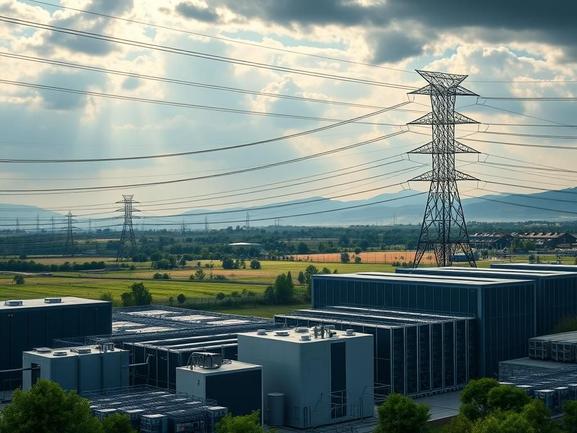
The digital age has long promised convenience and efficiency, transforming everything from how we communicate to how we work. Yet, this relentless march of technological progress comes with unseen costs, not just in terms of societal shifts but also in tangible impacts on our daily lives. One such impact, often overlooked in the dazzle of innovation, is the escalating demand for energy. As the world embraces the transformative potential of artificial intelligence and the complex world of cryptocurrencies, the infrastructure powering our lives faces unprecedented strain. This burgeoning energy appetite, particularly from the massive data centers housing these technologies, is quietly setting the stage for a significant shift: potentially higher electricity bills for households everywhere.
At the heart of this energy surge are the ubiquitous, yet often invisible, data centers. These facilities, crucial for running everything from cloud computing services to online gaming, are now increasingly dominated by the energy-intensive demands of training sophisticated AI models and validating cryptocurrency transactions. Consider the sheer scale: powerful processors working non-stop, requiring massive amounts of electricity not only to operate but also to stay cool. States like New Jersey have already seen warnings of substantial rate increases, directly linked by local authorities to the escalating energy needs of these digital powerhouses. This isn’t just a localized phenomenon; the pattern of growing data center consumption outstripping traditional energy supply planning is a concern gaining traction globally.
The challenge extends beyond just cost. Experts are voicing concerns about the reliability of existing power grids. Reports, such as those from the North American Electric Reliability Corp, highlight a worrying trend: facilities dedicated to serving AI and crypto operations are being developed at a pace that power generation and transmission infrastructure simply cannot match. This creates a critical imbalance, potentially leading to lower system stability and increased risk of power disruptions. Imagine a future where the complexity of digital operations strains the grid to its breaking point, affecting homes and businesses far removed from the data centers themselves. The fundamental issue is that building new power plants and upgrading transmission lines is a slow, capital-intensive process that struggles to keep pace with the exponential growth curves of disruptive technologies like advanced AI.
Delving deeper into the specific demands of AI reveals why its energy footprint is particularly heavy. Training large language models, the sophisticated brains behind applications like generative AI, requires computational power on a scale previously unimaginable for widespread commercial use. This computational effort translates directly into significant electricity consumption. Furthermore, the simple act of using AI, such as performing a search powered by AI algorithms, is vastly more energy-intensive than traditional search methods. Studies suggest that an AI-powered search can consume up to ten times the electricity of a standard internet search. As AI becomes integrated into more aspects of our digital interactions, from search engines to personalized content feeds, this cumulative effect on energy demand will only grow.
So, as the AI revolution continues its rapid ascent, promising incredible advancements and efficiencies, it brings with it a tangible, potentially costly consequence for the average consumer. The increased strain on energy grids, driven by the insatiable demand of data centers powering AI and cryptocurrency, points towards a future where our electricity bills may become a direct reflection of the digital innovation we embrace. This presents a critical challenge: how do we balance the undeniable benefits of these technologies with the need for sustainable, reliable, and affordable energy? Addressing this requires not only investing in grid modernization and renewable energy sources but also fostering greater awareness of the energy implications of our digital world. Ultimately, the electric bill shock may serve as a stark reminder that the future of technology is inextricably linked to the future of energy.