
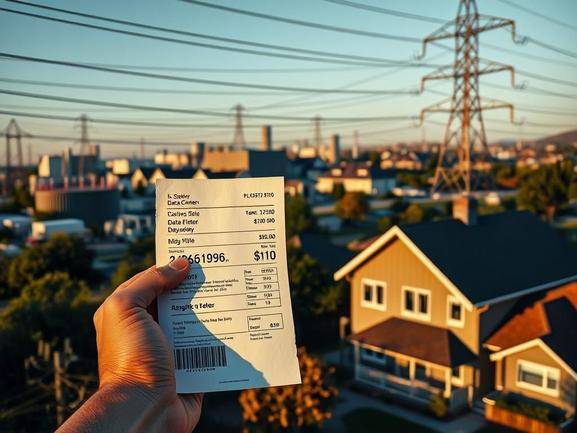
The rapid ascent of Artificial Intelligence is reshaping our world in myriad ways, from automating tasks to enabling entirely new forms of creativity. Yet, amidst the excitement surrounding this technological revolution, a less discussed but increasingly significant consequence is emerging: the escalating demand for electricity required to power the AI engine. This isn’t just a theoretical concern; it’s a factor that is beginning to show up in concrete terms, like the unexpected surge in residential electricity bills. As AI technologies become more sophisticated and integrated into daily life, their voracious energy consumption presents a critical challenge for existing power grids and, ultimately, for our wallets.
At the heart of this energy demand are the massive data centers that serve as the literal infrastructure for the digital age, housing the powerful computers needed to train complex AI models, process vast datasets, and power AI-driven applications. Training a sophisticated large language model, for instance, is an incredibly energy-intensive process, requiring immense computational power running continuously for extended periods. Furthermore, the increasing use of AI for tasks like advanced internet searches consumes significantly more energy than traditional search methods – some studies suggest as much as ten times more electricity per query. This fundamental need for colossal computing power translates directly into an insatiable appetite for electricity.
This surge in demand is creating a significant strain on existing power infrastructure. Reports from energy reliability organizations highlight a growing disconnect between the rapid construction of new data center facilities, often designed to cater specifically to AI and cryptocurrency operations, and the much slower pace of developing the necessary power plants and transmission lines to support them. This imbalance means that while the need for electricity is skyrocketing in certain areas due to these high-load facilities, the grid capacity to deliver that power isn’t keeping pace. The consequence is a reduction in overall system stability and increased vulnerability during peak demand periods.
The direct impact of this infrastructure lag and escalating demand is being felt by consumers. As utilities face pressure to meet the increased load, the costs associated with upgrading infrastructure, purchasing more power, and maintaining reliability are passed down. Residents in areas with significant data center expansion are already seeing the effects. For example, reports from New Jersey earlier this year indicated potential electricity bill increases of up to 20% for residents, with data centers specifically identified as a primary contributor to the rate hike. This illustrates how the energy demands of the AI revolution are translating into tangible financial burdens for average households.
Beyond just the immediate cost, the rapid energy escalation driven by AI raises broader questions about sustainability and the future of our power grids. Are we prepared to fuel this technological leap with clean energy sources, or will it lead to greater reliance on fossil fuels, exacerbating environmental concerns? The situation underscores the critical need for innovation not only in AI development but also in energy generation, distribution, and storage. Balancing the transformative potential of AI with the imperative of building a resilient and sustainable energy future is one of the defining challenges of this decade. It requires proactive planning, investment in renewable energy and grid modernization, and perhaps even a reconsideration of how we design and power the data centers of tomorrow.
In conclusion, while Artificial Intelligence promises unprecedented advancements, its hidden cost lies in its immense energy demands. The rapid growth of AI and cryptocurrency operations, powered by energy-hungry data centers, is putting significant pressure on power grids, leading to increased costs for consumers and raising questions about future grid reliability and environmental impact. As we navigate the exciting landscape of the AI revolution, it is crucial that we also pay close attention to the foundational requirement of energy – ensuring that our pursuit of intelligence is matched by an equally robust and sustainable approach to power generation and consumption. Understanding this connection is the first step towards building a future where AI thrives without leaving us in the dark, or with prohibitively expensive electricity bills.