
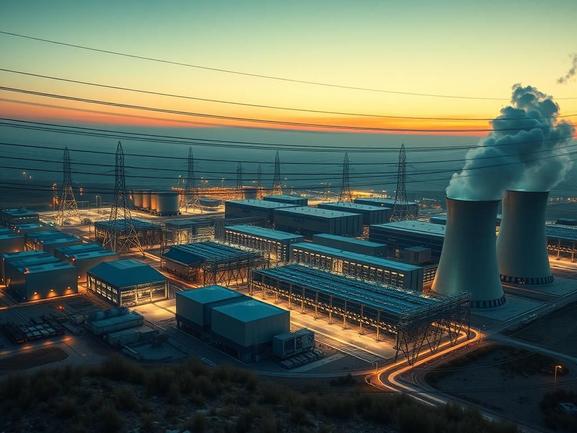
Artificial intelligence is rapidly transforming industries, accelerating innovation, and promising a future of unprecedented efficiency and capability. Yet, beneath the gleaming surface of this technological revolution lies a growing environmental burden, one primarily shouldered by the unassuming yet voracious data centers that power AI’s complex computations. As AI workloads escalate, so too does the demand on critical resources, raising urgent questions about sustainability, transparency, and the true cost of our pursuit of digital intelligence.
One of the most staggering impacts is the sheer scale of energy consumption. Reports paint a vivid picture: a single large-scale data facility dedicated to AI can draw as much power as roughly one hundred thousand typical homes. Projecting this trend forward, analysts suggest that the aggregate energy required by these global data infrastructure hubs could, within the next six years, surpass the entire current national energy consumption of a country like Japan. In the United States alone, the proportion of national electricity dedicated to data centers is expected to more than double by the end of the decade, potentially reaching a significant percentage of the total grid output. This exponential increase puts immense pressure on existing energy grids, often reliant on fossil fuels, exacerbating carbon emissions and contributing to the climate crisis. The environmental footprint isn’t just about the amount of energy used, but the source of that energy, highlighting a critical need for these power-hungry facilities to transition rapidly to renewable sources.
Beyond electricity, the thirst of AI data centers extends to water resources. The sophisticated processors needed for intricate AI tasks generate substantial heat, necessitating advanced cooling systems. These systems frequently rely on significant quantities of water for efficient operation. Consequently, as AI becomes more pervasive and its computational demands grow, the water footprint of data centers is set to expand dramatically. This escalating demand for water poses a significant challenge, particularly in regions already grappling with water scarcity or drought. Local communities situated near these facilities may face increased competition for this vital resource, impacting agriculture, residential use, and local ecosystems. The intersection of energy and water demands creates a dual resource challenge that requires integrated and sustainable solutions.
A concerning aspect highlighted by recent analyses is the lack of transparency surrounding the environmental impacts of new data center developments. When major tech companies and governmental bodies plan and establish these facilities, local communities are often not adequately informed about the potential strain on local resources, such as water availability and the capacity of the electrical grid, nor about potential localized pollution. Residents voice legitimate concerns about the multifaceted environmental burdens, including not only resource depletion but also emissions and noise pollution emanating from these large industrial sites. This deficit in communication and consultation erodes trust and prevents communities from understanding and preparing for the changes happening in their own backyards. Greater transparency and proactive engagement with affected populations are essential for responsible development.
The rapid proliferation of AI infrastructure also brings broader societal and infrastructural implications. The significant demand placed on electrical grids can necessitate costly upgrades and potentially destabilize local power supplies if not carefully managed. Furthermore, the uneven distribution of these large facilities can exacerbate existing inequalities, placing a disproportionate environmental and infrastructural burden on specific localities, often those that may be less equipped to handle such pressures. This raises questions about equity in the digital age and whether the benefits of AI are being pursued at the expense of the environmental well-being and resource security of host communities. Addressing these issues requires comprehensive planning that considers not just the technological needs but also the social and environmental context.
In conclusion, while the advancements fueled by AI promise transformative benefits, it is imperative that we confront the growing environmental cost associated with its underlying infrastructure. The massive energy and water demands of AI data centers, coupled with a lack of transparency and localized environmental impacts, present significant challenges that cannot be ignored. Moving forward requires a concerted effort from technology companies, governments, and communities to prioritize sustainable practices, invest in renewable energy and efficient cooling technologies, ensure open communication, and develop equitable strategies that allow technological progress to coexist harmoniously with environmental stewardship and community well-being. Only then can we hope to build a future where intelligence is not only artificial but also sustainable and just for all.