
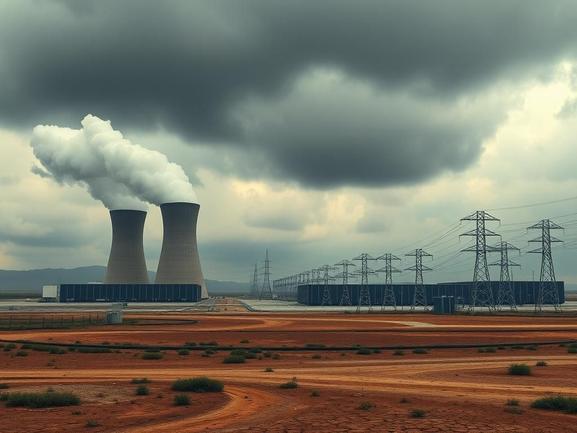
As artificial intelligence rapidly transitions from theoretical concept to ubiquitous force, powering everything from personalized recommendations to complex scientific simulations, its physical footprint on our planet is growing in parallel. The sophisticated algorithms and vast datasets that fuel this revolution reside not in the digital ether, but in massive, power-hungry structures known as data centers. While we celebrate the leaps in AI capabilities, the environmental consequences of the infrastructure supporting it – particularly its insatiable demand for energy and water – are becoming increasingly difficult to ignore. This raises critical questions about the sustainability of our technological progress and the ethical responsibilities of the industry driving it.
The scale of resource consumption by these facilities is truly staggering. Consider that a single data center optimized for AI tasks can consume as much electricity annually as 100,000 average households. Projecting forward, some assessments suggest that by the close of the decade, the aggregate energy needs of these digital powerhouses globally could potentially rival, or even slightly surpass, the total annual electricity consumption of an entire industrialized nation like Japan today. This exponential growth isn’t just about powering servers; the computational intensity of modern AI processors necessitates significant cooling, which in turn drives up both electricity demand for refrigeration and, critically, the need for substantial volumes of water for cooling systems. The sheer numbers involved paint a vivid picture of the mounting pressure on energy grids and water resources worldwide.
Beyond the macro-level statistics, the impact on the specific communities hosting these data centers is a growing concern. Reports indicate a troubling pattern: when major tech companies establish these large-scale facilities, there’s often a lack of transparent communication with local residents and authorities regarding the potential environmental repercussions. This information gap leaves communities ill-prepared for challenges such as increased strain on local electricity grids, leading potentially to higher energy costs or infrastructure instability. Furthermore, data centers, particularly older or less efficiently designed ones, can contribute to localized environmental issues, including significant water usage that might strain local supplies and potential air and noise pollution from generators and cooling towers. Advocacy groups and concerned citizens in affected areas are increasingly vocal about these burdens, highlighting what they perceive as a disconnect between the pursuit of technological advancement and the well-being of the places where this infrastructure physically resides.
The trajectory of data center growth, inextricably linked to the expansion of AI, presents significant future challenges that extend beyond immediate local impacts. In countries like the United States, projections suggest that data centers could account for a substantial percentage – potentially up to nine percent – of total national electricity consumption by 2030, a dramatic increase from current levels. This trend has far-reaching implications for energy policy, infrastructure planning, and the transition to renewable energy sources. Can grids handle this surging demand while simultaneously decarbonizing? Are we adequately accounting for the full lifecycle environmental costs of AI, from hardware manufacturing to energy consumption and disposal? These questions force a critical examination of whether the current path of AI development is aligned with global sustainability goals and whether the benefits of AI are being weighed appropriately against its considerable environmental footprint.
Ultimately, the narrative surrounding AI must evolve to fully acknowledge and address its foundational dependence on energy- and water-intensive infrastructure. The current trajectory, if left unchecked and unmanaged, risks exacerbating environmental pressures and creating localized burdens without adequate community consent or compensation. Moving forward requires a concerted effort from tech giants, policymakers, and consumers alike. This includes prioritizing the development and deployment of more energy- and water-efficient data center technologies, investing heavily in renewable energy sources to power these facilities, and adopting greater transparency with communities about environmental impacts. It also necessitates a broader societal conversation about the true cost of AI and whether we are prepared to innovate responsibly, ensuring that our pursuit of digital advancement doesn’t come at the unacceptable expense of our planet’s health and the well-being of its inhabitants. The time for a more conscious and sustainable approach to powering the AI revolution is now.