
In the fast-paced world of consumer technology, the lifespan of our beloved gadgets often feels fleeting. Just as we get comfortable with a new smartphone or tablet, the next generation is announced, promising groundbreaking features and pushing the previous model further down the obsolescence curve. Yet, amidst this relentless cycle, one company has cultivated a reputation for bucking the trend, at least in one crucial area: software support. Apple has long been lauded for providing operating system updates to devices for several years after their initial release, a practice that historically set them apart from many competitors.
The commonly cited benchmark for Apple’s commitment is the longevity of its iOS and iPadOS updates. Devices launched as far back as 2018, such as the iPhone XS and XR, are still receiving the latest major versions of the mobile operating system in 2025. This translates to roughly seven years of feature updates, performance improvements, and, importantly, standard security patches. This level of sustained support is indeed impressive and represents a significant return on investment for consumers, extending the usability and relevance of their devices far beyond the typical upgrade cycle observed in some other ecosystems. For years, this seven-year window was the standard-bearer for device longevity, a clear differentiator that influenced purchasing decisions for users prioritizing long-term viability.
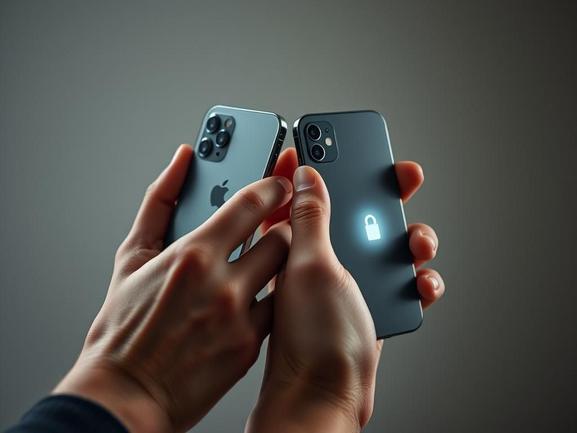
However, a closer look reveals that Apple’s dedication to device security runs even deeper than these high-profile OS upgrades suggest. There exists a less-publicized, yet critically important, layer of support that extends to devices released even earlier – approximately a decade ago, around 2015. While these older models may no longer receive the latest iOS versions with new features, Apple continues to provide essential security updates. This means devices like the iPhone 6s or original iPad Pro, ten years after they first hit the market, are still receiving patches for significant vulnerabilities. This subterranean level of support is crucial because it directly addresses potential exploits that could compromise personal data and device integrity, offering a crucial safety net long after the device has faded from the mainstream spotlight.
This dual-layered approach to support—visible major OS updates extending for seven years, and underlying critical security patches reaching back a full decade—offers a compelling insight into Apple’s strategic priorities. While some might cynically view the cutoff of feature updates as a subtle nudge towards upgrading, the continued provision of security patches suggests a genuine commitment to user safety and the overall health of their ecosystem. This protracted security support not only protects individual users but also reinforces the security posture of the wider network of Apple devices.
“It’s not just about running the newest apps; it’s about ensuring the fundamental security of your data and digital life, regardless of your device’s age,” emphasize proponents of this strategy. Furthermore, this long-term commitment raises the floor for the entire industry; as Apple maintains this standard, competitors are increasingly pressured to offer similar levels of support, particularly for newer flagship devices, narrowing the gap that Apple once held exclusively.
For the consumer, this extended support translates into significant benefits. It means that choosing an Apple device offers not just a premium experience at purchase, but also enduring value over many years. Users are empowered to keep their devices longer, reducing electronic waste and potentially saving money by delaying upgrades. The robust second-hand market for iPhones and iPads is, in part, a testament to this sustained value, as even older models remain functional and secure enough for many users. This prolonged usability also fosters user confidence and loyalty, knowing that the company stands behind its products for a substantial period. Consider the implications: a device purchased in 2015 might still be a safe, albeit feature-limited, option for basic tasks or as a hand-me-down in 2025, a remarkable feat in the tech world.
The Enduring Legacy of Support
Apple’s commitment to extending critical security support to devices released a decade ago goes largely unnoticed by the average user but is a powerful demonstration of their long-term vision. It signifies that even as devices age out of receiving the latest bells and whistles, they are not simply abandoned to the digital wolves. This approach sets a high, though perhaps quietly maintained, standard for device lifecycle management in the industry. While the competitive landscape is evolving with other manufacturers extending their support windows, Apple’s established history and this deeper layer of security coverage continue to differentiate them. Ultimately, this sustained commitment challenges the prevailing narrative of rapid tech obsolescence, offering users a level of security assurance that truly goes deeper than many might initially expect and prompting a rethinking of how long our technology can, and should, remain a safe and viable part of our lives.