
The smart home landscape is perpetually evolving, with tech giants vying to create the most seamless, intuitive, and interconnected ecosystems. Google, a major player in this space with its Google Home platform and Nest devices, recently previewed a series of updates set to enhance user interaction and expand functionality. These announcements, nestled among other revelations like progress on Android 16 and Pixel feature drops, signal a clear direction: making smart home control more accessible, integrating AI more deeply, and improving core features like video monitoring.
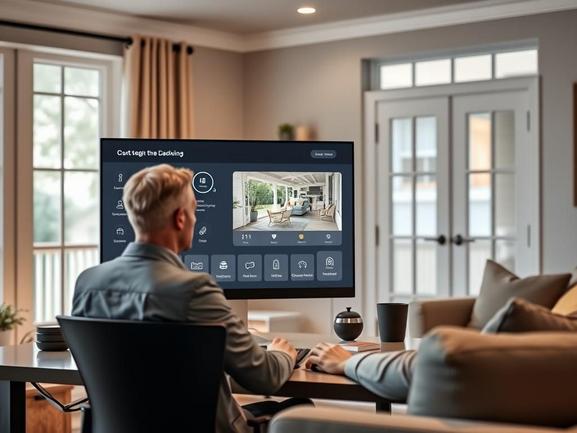
One of the most significant takeaways from the recent announcements is the impending expansion of the Google Home web app found at home.google.com. Historically, controlling one’s smart home primarily resided within the confines of mobile applications. While convenient for on-the-go adjustments, a robust web interface offers alternative access points, especially for users who spend significant time at a computer or prefer a desktop control experience. Google’s commitment to bringing more controls to the web app—specifically mentioning the ability to adjust lights, set the temperature, and unlock doors—underscores a recognition of this need. This move, initially rolling out to the Public Preview program, suggests Google is prioritizing feedback from its more engaged users before a wider release. Expanding web access is crucial for platform maturity and provides redundancy should mobile access be unavailable or inconvenient. It signals a step towards Google Home being a truly ubiquitous platform, accessible from virtually anywhere with an internet connection and a browser, moving beyond merely being a mobile-centric utility.
Another intriguing development highlighted is the growing integration of AI, specifically Gemini, into the Google Home experience. While the details provided in the summary were concise, the mention of Gemini enabling users to “send broadcasts” is particularly noteworthy. Broadcasts have been a staple of the Google Assistant ecosystem, allowing quick voice messages to be sent to all speakers and displays in a home. The integration with Gemini likely signifies a more intelligent, context-aware, or perhaps even conversational approach to this feature. Imagine being able to ask Gemini to broadcast a complex message, or perhaps the AI assisting in drafting or scheduling broadcasts based on learned routines or external triggers. This evolution points towards a future where the AI assistant isn’t just executing commands but actively participating in home communication and management. This integration aligns with Google’s broader strategy of embedding Gemini across its product portfolio, positioning the AI as the central intelligence layer for various user interactions, including those within the smart home environment. The potential applications, from simple family notifications to more sophisticated inter-device communications mediated by AI, are vast and could significantly enhance the utility of connected homes.
Beyond the core control mechanisms, Google is also enhancing the multimedia and surveillance aspects of the smart home. The announcement regarding the Google TV Streamer’s Home Panel offering picture-in-picture (PiP) for Nest Cams is a prime example of thoughtful cross-device integration. This feature allows users to keep an eye on their Nest Cams—be it seeing who’s at the door or checking on a pet in the backyard—without interrupting their viewing experience. This kind of seamless integration between entertainment and security/monitoring devices is a significant user experience win, eliminating the friction of switching apps or screens. Furthermore, Google is emphasizing improvements to core video functionalities, such as the ability to jump forward or backward by 10 seconds with a simple double-tap in the player and significant enhancements to the smoothness of scrolling through video history. These might seem like minor tweaks individually, but collectively, they contribute to a more fluid, responsive, and user-friendly experience when interacting with recorded footage from Nest Cams, addressing common pain points in video playback and navigation.
In conclusion, the recent wave of previews from Google Home demonstrates a strategic focus on expanding accessibility, deepening AI integration, and refining core functionalities. The push for more comprehensive web control acknowledges diverse user needs and usage patterns, moving the platform beyond a purely mobile interaction model. The integration of Gemini hints at a more intelligent and proactive AI assistant within the home, potentially transforming simple commands into richer, more intuitive interactions like smart broadcasts. Coupled with practical enhancements like Nest Cam PiP on Google TV and smoother video history navigation, these updates paint a picture of a Google Home ecosystem that is becoming more interconnected, user-friendly, and capable. While the competitive landscape in the smart home arena remains intense, Google’s continued investment in expanding control options, leveraging its AI strengths, and improving fundamental features suggests a commitment to solidifying its position and delivering a more unified and intelligent home experience for users.