
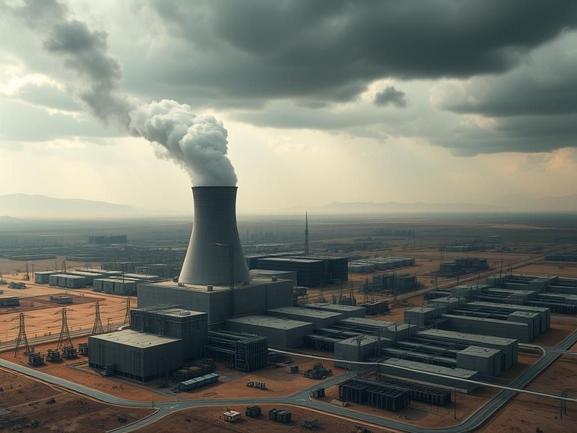
Artificial intelligence is rapidly transforming industries, promising unprecedented efficiency and innovation. From powering advanced search algorithms to enabling autonomous vehicles and complex scientific simulations, AI’s potential seems boundless. However, this digital revolution has a tangible, physical cost – one that is often hidden from public view. The infrastructure underpinning the AI boom, specifically enormous data centers, is placing an increasingly heavy burden on Earth’s vital resources, consuming energy and water on a scale that many find alarming.
Consider the energy demands. A single data center dedicated to AI can reportedly consume as much electricity as a community of one hundred thousand homes. Multiply this by the thousands of such facilities already operational and the many more planned, and the numbers become staggering. Projections suggest that by the close of this decade, the total energy required by these global data havens could surpass the entire current annual power consumption of a developed nation like Japan. In the United States, estimates indicate that data centers could account for up to nine percent of the nation’s total electricity generation within the next few years, a significant leap from present levels. This escalating demand not only strains existing power grids but also raises critical questions about the sustainability of our energy sources and infrastructure as AI continues its relentless expansion.
Beyond electricity, the thirst of these facilities for water is equally concerning. Data centers require massive amounts of water, primarily for cooling the heat-generating processors. As AI technologies evolve, the computational power needed increases, and these more potent chips generate even more heat, demanding more intensive cooling solutions. This directly translates to higher water consumption. In regions already facing water scarcity, the presence of a large data center can exacerbate local pressures on water supplies, impacting agriculture, residential use, and natural ecosystems. The environmental consequences extend further, with critics pointing to potential issues like air pollution from generators and noise pollution affecting nearby communities. It’s a multifaceted environmental challenge that often flies under the radar.
A significant part of the problem lies in transparency. According to recent findings, communities are frequently not adequately informed by technology corporations or local authorities about the potential environmental repercussions – specifically concerning water usage and emissions – when a new data center is being established in their vicinity. This lack of communication prevents residents from understanding the full impact on their local environment and resources. It highlights a disconnect between the global pursuit of digital advancement and the localized environmental consequences borne by the host communities. This raises ethical questions about corporate responsibility and the need for greater accountability in disclosing the environmental footprint of these essential yet resource-intensive operations.
The rapid acceleration of AI development necessitates a critical examination of its ecological footprint. The immense resource demands of data centers are not merely technical challenges but pressing environmental and social issues. As we push the boundaries of artificial intelligence, we must simultaneously innovate in sustainable infrastructure. This includes exploring more energy-efficient cooling technologies, siting data centers strategically in areas with abundant renewable energy and water resources (or using reclaimed/grey water), and developing more sustainable hardware. Furthermore, there needs to be a greater commitment to transparency, ensuring that the environmental impacts are clearly communicated to affected communities and that their concerns are genuinely addressed. The future of AI should not come at the irreparable cost of our planet’s vital resources.
In conclusion, while AI holds immense promise for the future, its physical manifestation in the form of colossal data centers presents significant environmental hurdles, particularly concerning energy and water consumption. The scale of resource use is escalating rapidly, putting strain on grids and local water supplies. The lack of transparency surrounding these impacts further complicates matters, leaving communities uninformed and potentially vulnerable. Addressing these challenges requires a concerted effort involving technological innovation for sustainability, responsible corporate practices, transparent communication, and thoughtful governmental policy. Only by acknowledging and proactively mitigating the environmental footprint of AI infrastructure can we hope to build a future where technological advancement and ecological stewardship go hand in hand, ensuring that the benefits of AI do not come at an unsustainable cost to our planet.